


Understanding how skin type affects pigmentation treatment is crucial for achieving effective and safe results. Skin type determines how your skin reacts to various therapies, making it a key factor in customizing treatments. For those seeking Pigmentation Treatment Dubai, clinics like Dynamic Clinic offer tailored solutions based on individual skin types, ensuring both efficacy and safety.
Skin type plays a significant role in the outcome of pigmentation treatments because it influences:
Sensitivity: Some skin types are more prone to irritation or redness, which affects the choice of treatment.
Pigment Response: Darker skin tones are more susceptible to post-inflammatory hyperpigmentation, requiring careful handling.
Healing Time: Oily, dry, or combination skin may heal differently, impacting the treatment schedule and recovery process.
Recognizing these factors allows practitioners to design a plan that minimizes risks and maximizes results.
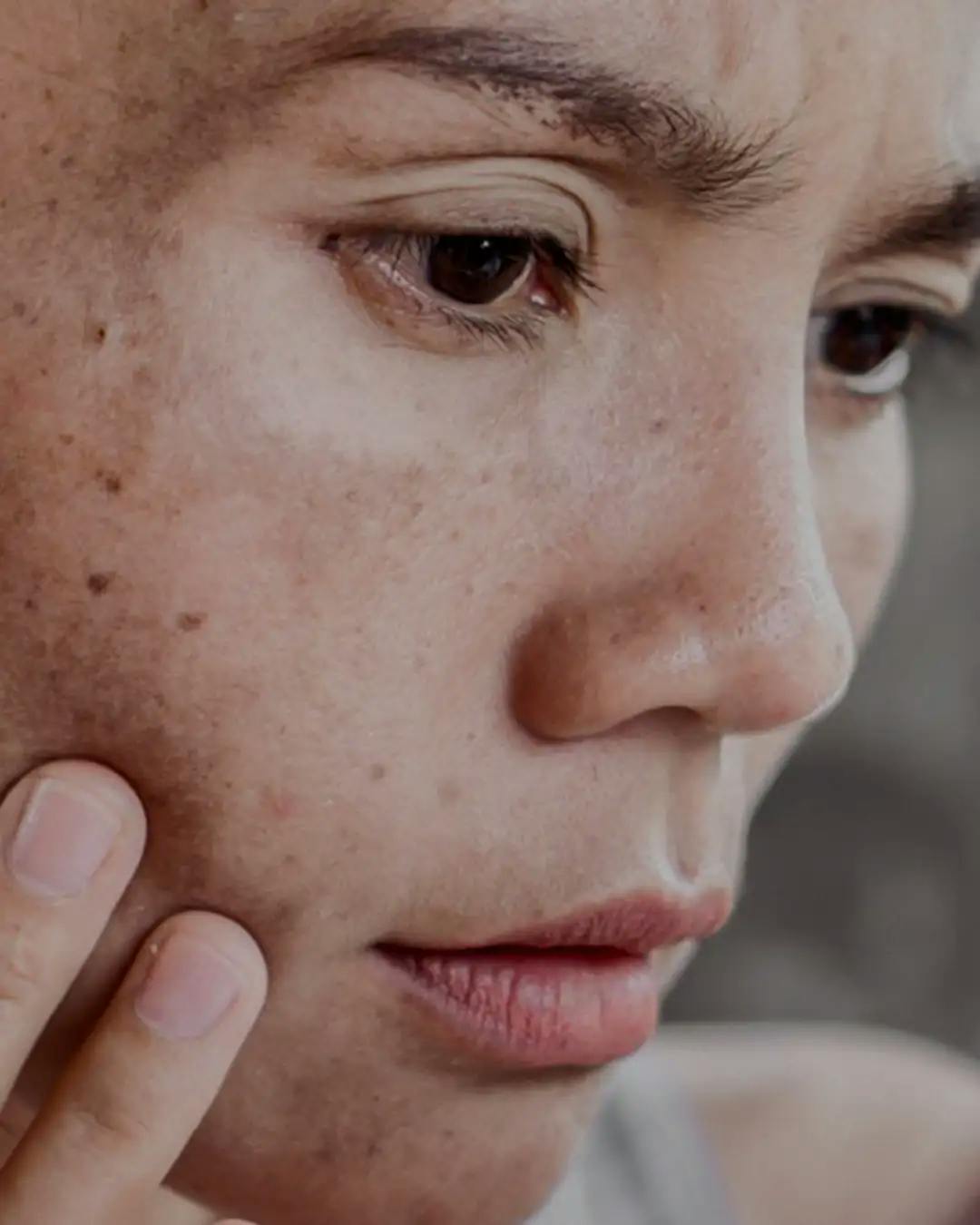
Skin is generally categorized into five types, each with distinct pigmentation challenges:
Normal Skin
Even texture and minimal oiliness
Pigmentation issues are often due to sun exposure or hormonal changes
Oily Skin
Larger pores and excess sebum
More prone to acne-related pigmentation
Dry Skin
Tight, flaky, or rough texture
Pigmentation may appear more pronounced due to lack of hydration
Combination Skin
Oily in some areas, dry in others
Requires targeted treatments for different zones
Sensitive Skin
Easily irritated by chemicals, sun, or environmental factors
Needs gentle, non-invasive treatment options
Understanding your skin type ensures the treatment is safe, reduces side effects, and enhances overall outcomes.
Selecting the correct pigmentation treatment depends heavily on skin type. Common options include:
Laser Therapy: Effective for stubborn pigmentation but requires adjustment for darker or sensitive skin types to prevent complications.
Chemical Peels: Different acids are suitable for different skin types, with milder peels recommended for sensitive or dry skin.
Topical Treatments: Creams containing ingredients like vitamin C, hydroquinone, or retinoids may be tailored based on skin type.
Microneedling: Promotes collagen and helps with pigmentation but needs caution for oily or acne-prone skin to avoid flare-ups.
Each method must be personalized for optimal results while minimizing risks such as irritation or uneven pigmentation.
Patients can enhance their treatment outcomes by following a skincare routine that complements their skin type:
Use sunscreen daily to prevent new pigmentation
Maintain proper hydration for dry or sensitive skin
Incorporate gentle cleansers for combination or sensitive skin
Avoid harsh scrubs or over-exfoliation
Follow post-treatment care instructions provided by the clinic
These measures help protect your skin and ensure long-lasting results.
Skin type is a critical factor in determining the most effective approach to pigmentation treatment. By assessing skin type, dermatologists can choose the safest and most efficient treatment methods, whether it’s laser therapy, chemical peels, or topical solutions. For residents in Dubai seeking Pigmentation Treatment in Dubai, understanding your skin type can significantly improve results and minimize complications, ensuring healthier, more radiant skin.
