


Varicose veins are a common vascular condition that affects millions of people, causing discomfort, swelling, and visible bulging veins in the legs. Understanding how doctors determine the best approach for treatment is essential for anyone considering medical intervention. For those seeking Varicose Veins Treatment in Dubai, Dynamic Clinic in Dubai provides expert consultation and a range of treatment options tailored to each patient’s needs.
Doctors follow a comprehensive evaluation process to identify the most suitable varicose veins treatment, considering the severity of the condition, symptoms, and overall health. Treatment decisions are highly individualized, ensuring safety, effectiveness, and long-term relief from vein-related issues.
The first step in deciding on varicose veins treatment involves a detailed consultation. During this visit, doctors:
Review the patient’s medical history, including any prior vein issues or surgeries.
Assess family history, as varicose veins can be hereditary.
Discuss symptoms such as pain, heaviness, swelling, or skin changes.
This initial evaluation helps determine whether conservative management or more advanced procedures are necessary.
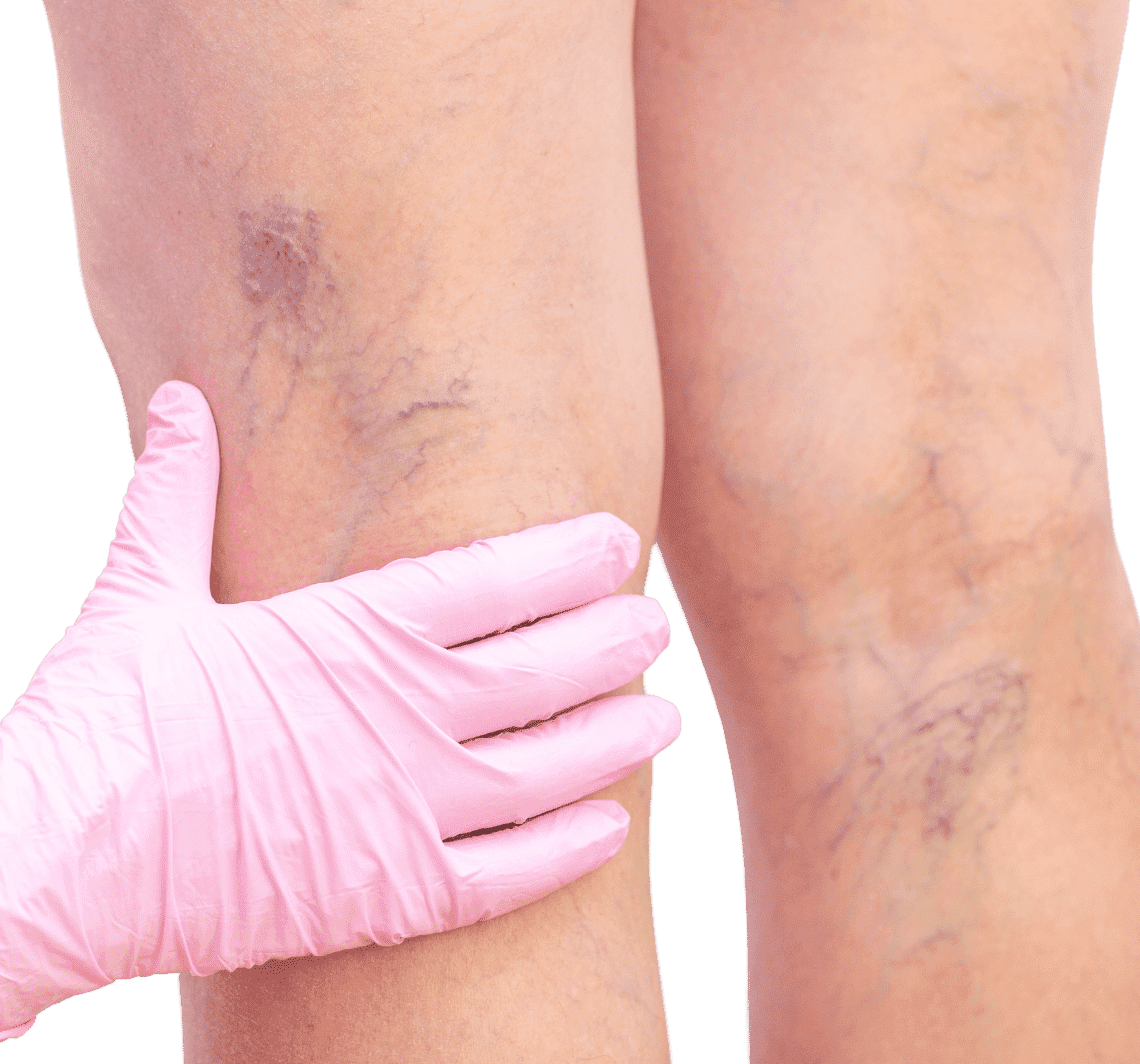
A thorough physical exam allows doctors to observe the veins and assess the severity of the condition. Key aspects of the examination include:
Visual inspection of bulging or twisted veins.
Palpation to identify tender areas or blood clots.
Checking for signs of skin changes, ulcers, or discoloration that indicate advanced vein disease.
The physical exam helps prioritize treatment strategies and indicates whether imaging studies are required for further evaluation.
To get a precise understanding of vein function, doctors often recommend imaging tests such as:
Duplex Ultrasound: Measures blood flow and detects valve dysfunction in veins.
Venography: Used in rare cases to get a detailed vein map.
Photoplethysmography: Evaluates venous insufficiency in smaller veins.
These tests provide critical information about the location, size, and severity of the affected veins, guiding the choice of treatment.
Doctors also consider how symptoms impact daily life and lifestyle factors that may influence treatment success. Factors include:
Severity of pain, swelling, or fatigue in the legs.
Impact on mobility, work, and recreational activities.
Presence of underlying health conditions like obesity, diabetes, or cardiovascular issues.
Understanding these elements allows the physician to recommend a treatment plan that aligns with the patient’s lifestyle and goals.
Based on the evaluation, doctors may recommend one or more of the following options:
Conservative Measures: Compression stockings, exercise, and leg elevation for mild cases.
Minimally Invasive Procedures: Endovenous laser therapy (EVLT), radiofrequency ablation (RFA), and sclerotherapy.
Surgical Intervention: Vein stripping or phlebectomy for extensive varicose veins not responding to other treatments.
The choice depends on vein size, location, severity, and patient preference.
Before finalizing a treatment plan, doctors assess potential risks, including:
Allergic reactions to medications or anesthetics.
Risk of blood clots or infection.
Recovery time and potential impact on daily activities.
This ensures that the selected treatment is both effective and safe for the patient’s specific situation.
After selecting and performing the appropriate treatment, follow-up care is critical for long-term results. Doctors schedule periodic check-ups to:
Monitor vein healing and blood flow.
Detect any recurrence or complications early.
Adjust lifestyle recommendations and supportive care.
Regular monitoring helps maintain vein health and prevents future issues.
Deciding on the right varicose veins treatment involves a careful blend of medical evaluation, imaging studies, symptom assessment, and lifestyle considerations. For residents in Dubai, expert clinics offer tailored solutions, ensuring both effective results and patient safety. Understanding this decision-making process empowers patients to make informed choices and achieve optimal vein health.
