


Chemical peels are carefully formulated to rejuvenate the skin by removing dead cells, stimulating collagen production, and improving overall texture. If you are exploring Chemical Peels In Dubai, understanding how these treatments are crafted can help you make informed skincare decisions. At Dynamic Clinic in Dubai, customized formulations are designed to target specific skin concerns, ranging from fine lines and pigmentation to acne scars.
Chemical peels are made from a combination of active ingredients that determine their strength and effect. The most common components include:
Alpha Hydroxy Acids (AHAs): Naturally derived acids such as glycolic acid and lactic acid that exfoliate the skin surface and improve hydration.
Beta Hydroxy Acids (BHAs): Salicylic acid, which penetrates deeper into pores, making it ideal for acne-prone skin.
Trichloroacetic Acid (TCA): A medium-strength acid that targets deeper layers of the skin to reduce pigmentation and fine lines.
Retinoic Acid: Often combined with other acids for enhanced skin renewal and collagen stimulation.
Enzymes: Natural enzymes like papain or bromelain provide gentle exfoliation for sensitive skin types.
These ingredients are blended in specific concentrations depending on the desired peel depth—superficial, medium, or deep—ensuring safe and effective results.
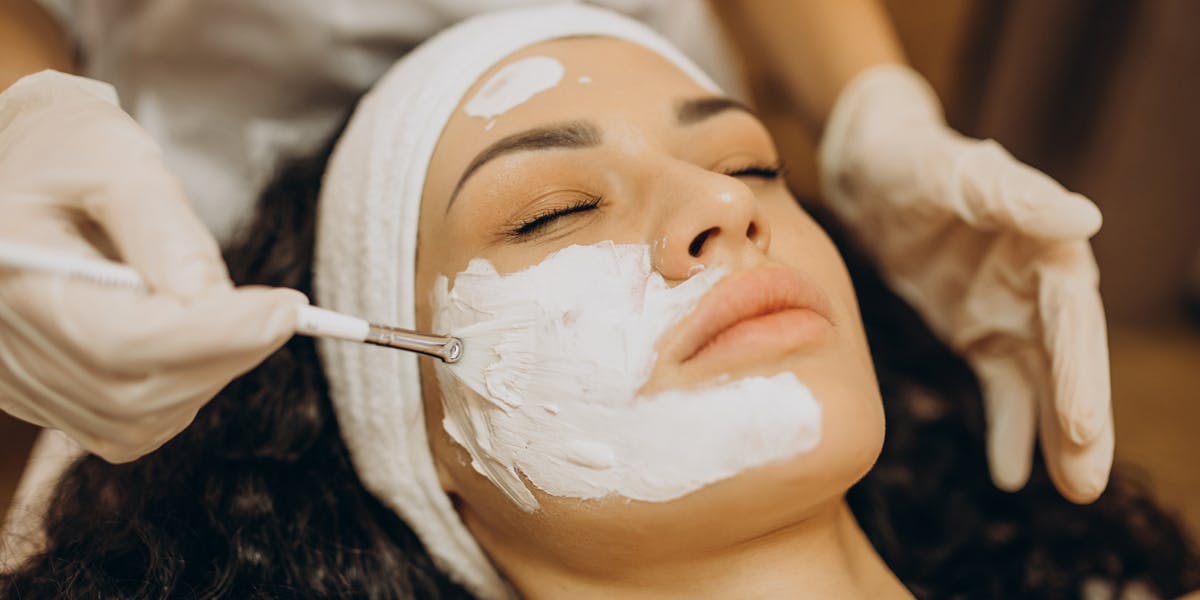
The pH level of a chemical peel is crucial to its performance and safety. A lower pH indicates stronger acidity, which increases exfoliation intensity. Formulators carefully balance the pH to:
Enhance the effectiveness of the active ingredients
Minimize skin irritation
Ensure predictable results across different skin types
Maintaining the correct pH ensures that the peel penetrates the intended layer of skin without causing unwanted side effects.
Creating a chemical peel involves precision and expertise. The formulation process includes:
Selecting Active Ingredients: Choosing acids or enzymes based on skin type and treatment goals.
Dilution and Stabilization: Adjusting concentrations and adding stabilizers to preserve potency.
Incorporating Soothing Agents: Ingredients like aloe vera, chamomile, or glycerin are included to calm the skin and reduce redness.
Testing Consistency: Ensuring the solution has the right texture and is easy to apply evenly.
These steps make chemical peels safe, effective, and suitable for professional use in clinics across Dubai.
Not all skin types react the same way to chemical peels. Professional clinics often customize formulations to address:
Hyperpigmentation and sun damage
Acne and clogged pores
Fine lines and wrinkles
Uneven texture and dullness
Custom blends ensure that patients get precise results while minimizing downtime and irritation.
Chemical peel formulations are designed with patient safety in mind. Key safety considerations include:
Patch Testing: Verifying tolerance to the peel solution before full application
Controlled Application: Applying acids in measured amounts to avoid over-exfoliation
Neutralization: Some peels require neutralizing agents to halt the chemical reaction at the right time
Proper formulation combined with professional application maximizes results while protecting skin integrity.
The formulation of chemical peels is a meticulous process involving the careful selection of active ingredients, pH balancing, and customization for individual skin concerns. Whether targeting acne, pigmentation, or signs of aging, a well-formulated peel provides visible and lasting results. For those seeking Chemical Peels in Dubai, understanding how these treatments are crafted can help you choose the most suitable option and ensure a safe, effective skincare experience.
